



When Foundation Lifting is a Better Option Than Repair
When Foundation Lifting Is a Better Option Than Repair
When foundation lifting is a better option than repair, local contractors can help stabilize and level your foundation efficiently, preventing ongoing damage.
If you’ve noticed signs of uneven floors, cracked walls, or sticking doors, understanding when foundation lifting might be a better option than traditional repair can help you make informed decisions about your property. Property owners in the area facing significant foundation settlement or sinking often find that foundation lifting offers a practical solution to restore stability and prevent further damage. This approach can be especially effective when the issues are severe enough that simple repairs may not fully address the underlying problem. Keep reading to learn how local service providers can evaluate your situation and determine if foundation lifting is the right choice for your home or business.
Choosing between foundation lifting and repair depends on the specific condition of your property’s foundation and the extent of the damage. Local contractors experienced in foundation solutions can assess whether lifting the foundation will provide a more stable and lasting result compared to conventional repair methods. By exploring this option, property owners can often achieve a more level, secure foundation, especially in cases where the ground beneath the structure has shifted significantly. Continue reading to discover practical insights and how local service providers can help determine the best course of action for your property’s foundation needs.
- Severe foundation settlement - when the foundation has shifted significantly and repair methods may not fully restore stability, local contractors often recommend foundation lifting to realign and stabilize the structure.
- Uneven or sloping floors - persistent floor unevenness caused by foundation movement can be better addressed through foundation lifting rather than patch repairs.
- Cracks that continue to grow - ongoing cracking in walls or floors indicates active foundation movement where lifting can correct underlying issues more effectively than patching.
- Structural instability - when signs of structural weakness appear, foundation lifting can provide a more comprehensive solution to restore integrity than localized repair work.
- Post-expansion or contraction of soil - in areas with shifting soil conditions, foundation lifting from experienced service providers can prevent further damage compared to repeated repairs.
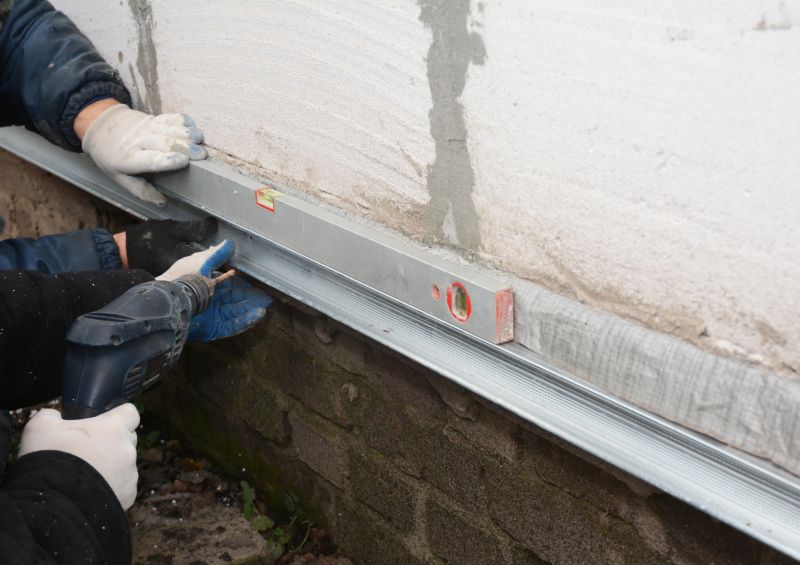


When homeowners search for information on when foundation lifting is a better option than repair, they are typically trying to understand the most effective way to address significant foundation issues. This question often arises when there are noticeable signs of foundation movement, such as uneven floors, cracked walls, or sticking doors. The goal is to determine whether a more comprehensive approach like foundation lifting can provide a long-term solution, especially in cases where traditional repair methods might only address surface problems or superficial cracks. Homeowners want to avoid ongoing issues and costly repairs down the line, making it important to differentiate between situations that require structural correction through lifting and those that might be resolved with simpler repairs.
This topic relates to a range of foundation problems, including uneven settling, sinking, or shifting caused by soil movement, water damage, or poor drainage. When foundation lifting is considered, it is often because the foundation has experienced significant movement that impacts the stability of the entire property. Homeowners might notice large cracks in the basement or foundation walls, floors that slope or are uneven, or gaps around windows and doors. These signs suggest that the foundation has shifted enough to potentially compromise the building's integrity, making foundation lifting a more appropriate choice than basic repairs, which may only patch visible cracks or reinforce the structure without addressing underlying movement.
The types of properties most often associated with foundation lifting are typically residential homes, especially those built on expansive clay soils or in areas prone to soil movement. Single-family houses, especially older ones or those with a history of drainage issues, are common candidates. Commercial properties and multi-family residences can also be affected, particularly if they sit on problematic soil or have experienced water infiltration that weakens the foundation. These properties tend to have more complex foundation systems, making the decision to lift the foundation a strategic move to restore stability rather than just fix superficial cracks or cosmetic damage.
Understanding when foundation lifting is a better option than repair involves recognizing the severity and scope of foundation movement. Local service providers who specialize in foundation lifting can assess whether the foundation has experienced enough shifting to warrant lifting rather than simple patching or reinforcement. They evaluate factors such as the extent of cracks, the levelness of floors, and the overall structural condition. In cases where the foundation has settled significantly or unevenly, lifting can realign the structure and provide a more durable solution. For homeowners facing these issues, connecting with experienced foundation lifting contractors can help determine the most effective approach to restore stability and prevent future problems.
Basement waterproofing projects - these often require similar planning and excavation skills as foundation lifting, especially when addressing underlying structural issues.
Soil stabilization services - involve ground modification techniques that are related to foundation support and can benefit from expertise in soil mechanics and lifting methods.
Retaining wall installation - requires understanding of soil pressure and structural support, paralleling the skills used in foundation stabilization and lifting processes.
Concrete leveling and slab raising - share techniques with foundation lifting, focusing on raising sunken slabs to improve stability and surface evenness.
Pier and beam foundation services - involve adjusting or replacing supports, which aligns with the skills used in foundation lifting to correct uneven settling.
Structural repair and reinforcement - often involve assessing and strengthening existing supports, utilizing similar planning and lifting techniques as foundation raising projects.
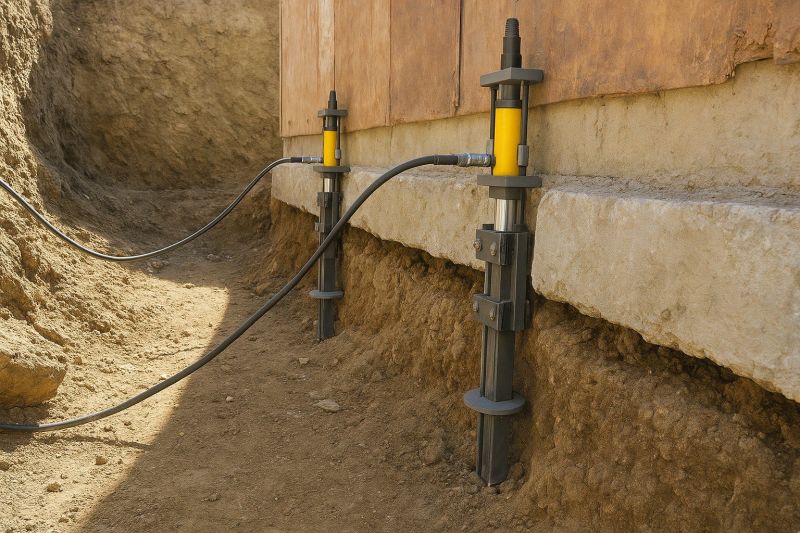
When evaluating foundation lifting services, it is important to consider the experience of local contractors with similar projects. An experienced service provider will have a history of handling foundation lifting jobs that involve comparable soil conditions, structural concerns, and property types. This familiarity can translate into a better understanding of the nuances involved and a more effective approach to addressing specific foundation issues. Homeowners should inquire about the contractor’s past work to ensure they have successfully completed projects similar in scope and complexity, which can help in making an informed decision about the suitability of their expertise for the job.
Clear, written expectations are essential when comparing foundation lifting options. Reputable service providers should be able to provide detailed descriptions of the work involved, including the methods used, the scope of the project, and any potential impacts on the property. Having this information in writing helps homeowners understand what to expect during the process and reduces the chances of misunderstandings or surprises. It also allows for better comparison of different contractors’ proposals, ensuring that all aspects of the project are transparent and aligned with the homeowner’s needs.
Reputable references and effective communication are key indicators of reliable foundation lifting service providers. Homeowners should seek out contractors who can provide references from previous clients with similar projects, offering insights into their professionalism, quality of work, and adherence to timelines. Good communication throughout the process is equally important, as it ensures that questions are answered clearly and concerns are addressed promptly. When local contractors prioritize transparent dialogue and have a track record of satisfied clients, it can enhance confidence in their ability to deliver a successful foundation lifting project that meets the property’s specific requirements.
Property owners often search for when foundation lifting is a better option than repair when they are planning practical projects around their homes and businesses. Local pros provide Foundation Lifting services for everyday jobs and straightforward project options.


In many everyday property situations, foundation lifting can be a more effective solution than traditional repair methods. Property owners who notice significant unevenness in their floors, sticking doors or windows, or visible cracks in walls might find foundation lifting to be a suitable option. When the issues are caused by sinking or settling of the foundation rather than just superficial damage, local contractors experienced in foundation lifting can often address the root problem more precisely, helping to restore stability and prevent future issues.
Homeowners considering foundation work might also find foundation lifting to be preferable when the goal is to realign the structure without extensive rebuilding or invasive repairs. This approach can be especially beneficial in cases where the foundation has shifted unevenly or subsided over time, making simple repairs less effective. Local service providers who specialize in foundation lifting can evaluate the specific conditions and recommend the most appropriate course of action, ensuring the property’s stability is restored efficiently and effectively.
When is foundation lifting a better option than repair? Foundation lifting is often preferable when the foundation has settled unevenly, causing significant structural shifts that repairs cannot adequately address. Local contractors can evaluate whether lifting can restore stability more effectively than traditional repair methods.
How can I tell if foundation lifting is suitable for my home? Signs such as uneven floors, cracked walls, or sticking doors may indicate the need for foundation lifting. Service providers can assess these issues to determine if lifting is a practical solution compared to repairs.
What types of foundation issues indicate that lifting is necessary? Foundations experiencing severe sinking, tilting, or large-scale cracking typically benefit from lifting. Local pros can identify these conditions and advise if lifting offers a better long-term fix than repair options.
Is foundation lifting better than repair for addressing foundation settlement? Yes, when settlement is extensive or uneven, lifting can realign the foundation more effectively than patching or filling cracks, helping to restore structural integrity with minimal ongoing issues.
When should foundation lifting be considered over repair for a sinking foundation? Foundation lifting is recommended when the foundation has sunk significantly or unevenly, especially if repairs would only provide temporary relief. Local service providers can evaluate whether lifting is the more appropriate approach.
Assessing foundation movement - property owners can evaluate signs of uneven floors or cracks to determine if foundation lifting is appropriate instead of repair.
Addressing significant settling - when a foundation has settled substantially, foundation lifting can restore stability without extensive structural repairs.
Correcting ongoing shifting issues - in cases where shifting continues despite repairs, foundation lifting offers a more effective long-term solution with local contractors.
Restoring property value and safety - choosing foundation lifting over repair can help preserve or improve a home's value when structural issues are severe.
If you are thinking about when foundation lifting is a better option than repair for a property, this guide is meant to help you understand this topic, the typical project types, and how different options might fit your plans.
When you are ready, you can use the quote form on this page to share a few details about your project. From there, local pros can review the basics and follow up with options that match what you have in mind.